Training Phases
How We Train Our Athletes
Explore how we train to ensure our athletes are prepared for game-like demands.
Rhythm & Movement Quality
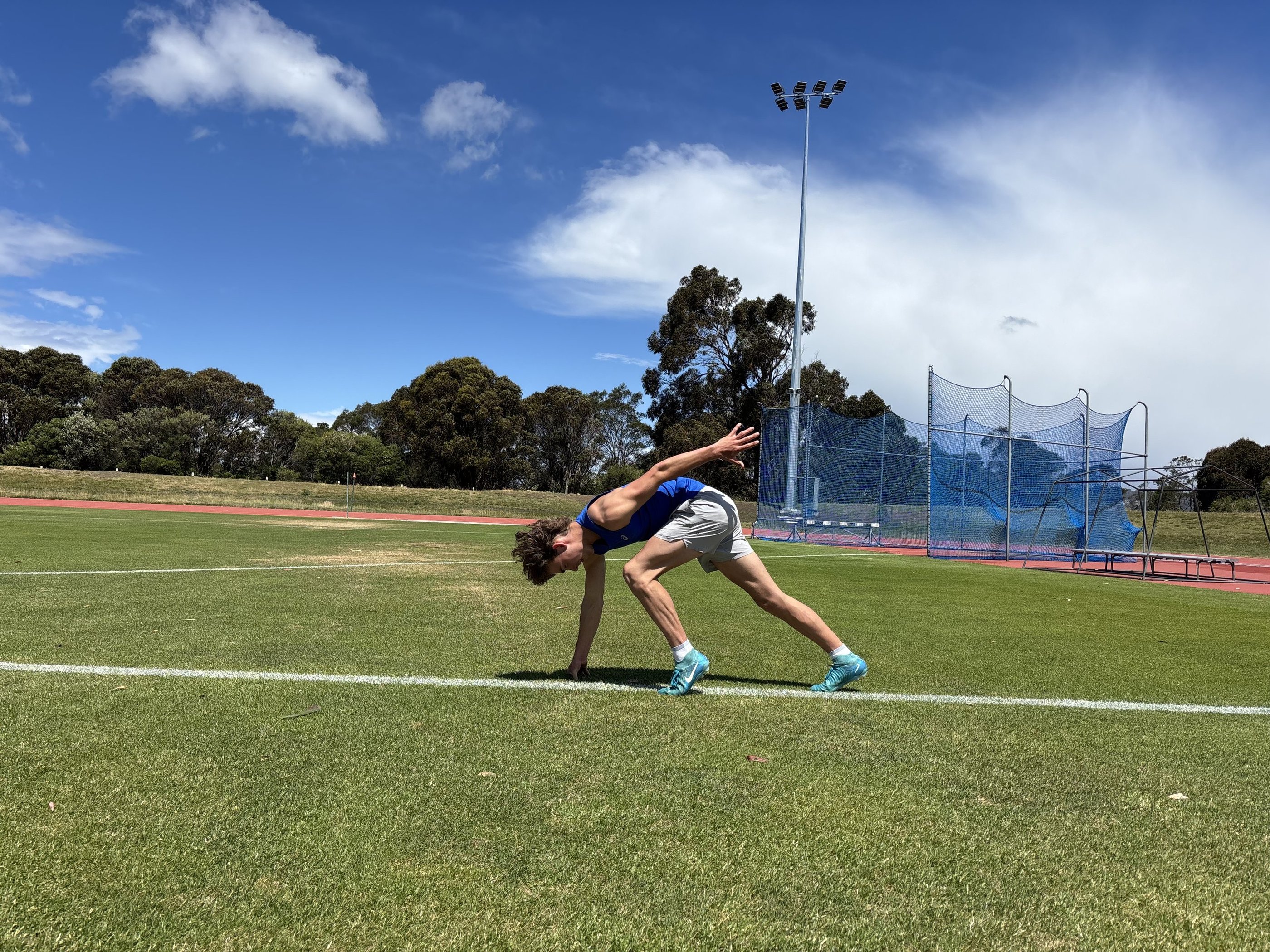
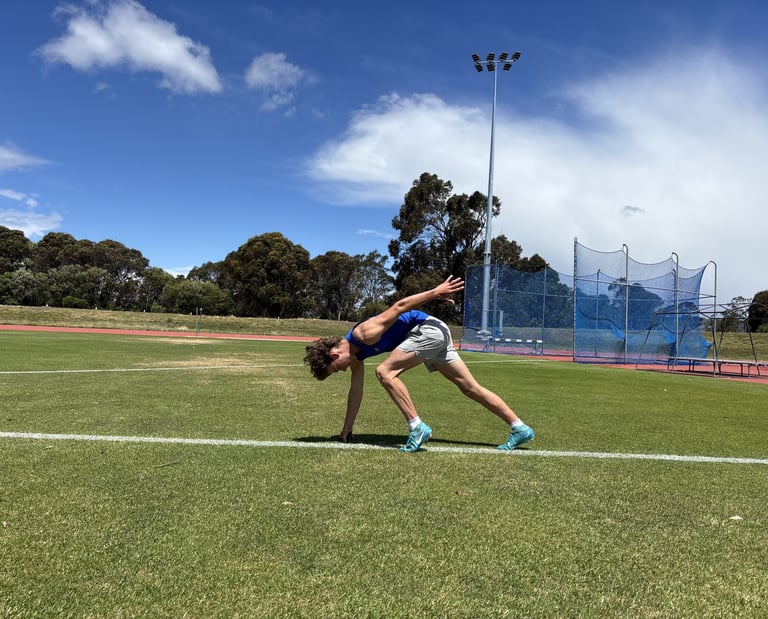
This week introduces athletes to efficient running and movement patterns at low to moderate speeds. Emphasis is placed on rhythm, relaxation, and posture while sprinting, alongside simple, controlled changes of direction. The aim is to establish technical consistency and movement awareness without fatigue, creating a foundation that allows speed and agility to be layered safely later in the season.
Submaximal sprinting rhythm
Posture, balance, and coordination
Controlled, pre-planned change of direction
Introductory braking mechanics


Acceleration & Breaking Capacity
This week targets how athletes start and stop. Sprint efforts focus on powerful, efficient early acceleration, while braking drills teach athletes to slow down under control with good posture and alignment. Simple directional changes are introduced to reinforce the connection between braking and re-acceleration without excessive complexity.
First-step and early-phase acceleration
Horizontal force production
Deliberate deceleration and stopping mechanics
Simple, planned directional changes
Maximal Velocity & Sprinting Efficiency
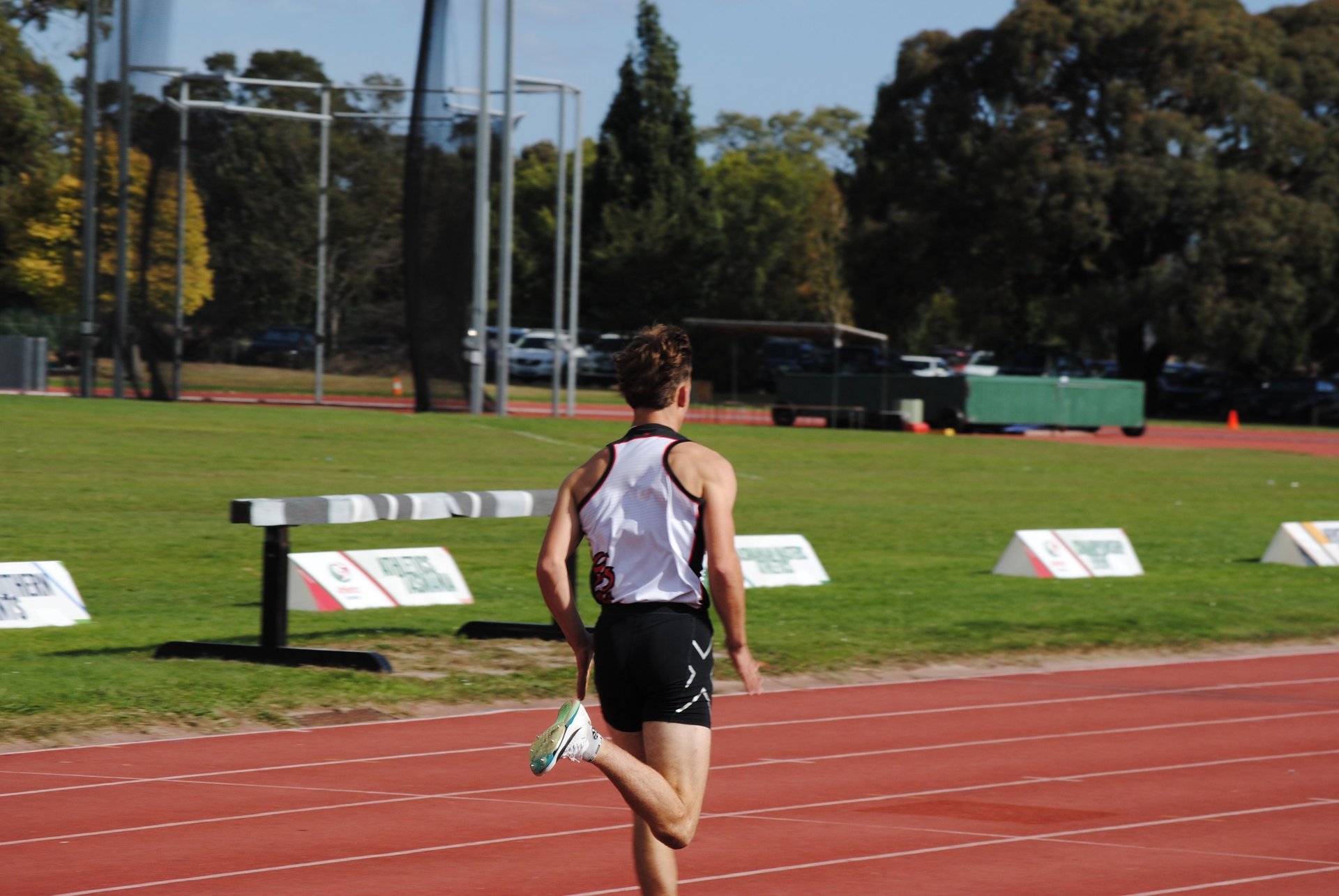
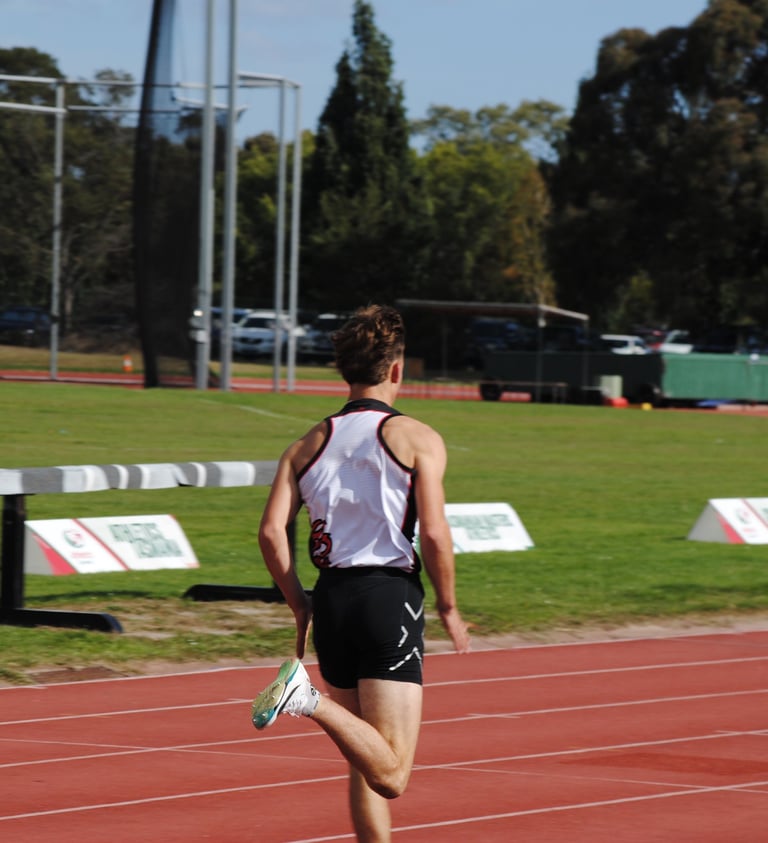
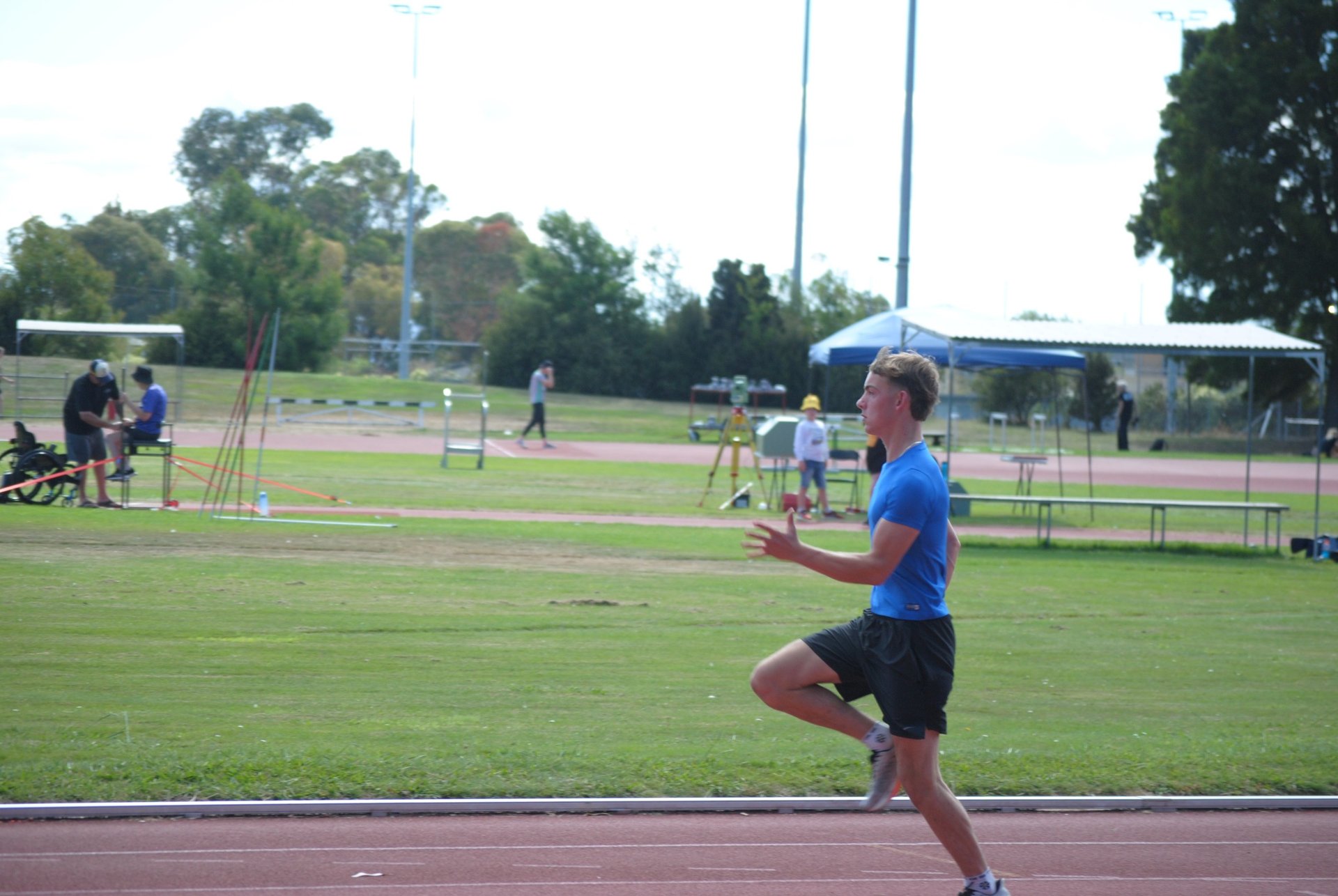
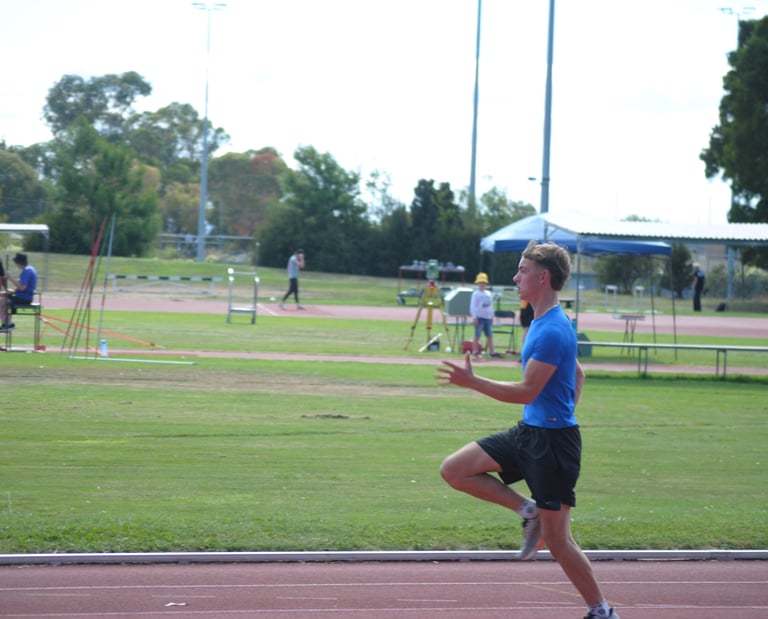
This week introduces controlled exposure to higher running speeds through progressive build-ups and longer sprint efforts with full recovery. Athletes are coached to stay tall, relaxed, and efficient while running fast, with minimal agility work to ensure sprint quality is not compromised by fatigue or excessive complexity.
Upright sprint mechanics
Relaxation and rhythm at higher speeds
Elastic stiffness and efficient ground contact
Minimal change of direction to preserve speed quality
Agility & In-Game Movement
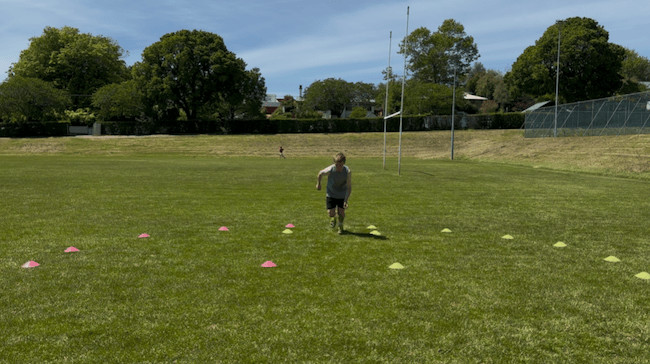
This week integrates previously developed sprinting and braking qualities into more complete agility patterns. The overall training load is reduced to allow recovery and consolidation, while athletes practise efficient movement transitions in controlled, football-relevant shapes. Emphasis remains on quality, posture, and control rather than maximal effort.
Linking deceleration, re-acceleration, and directional change
Maintaining movement quality under moderate complexity
Reduced volume to consolidate adaptations
Confidence and control at speed
For General Program Enquiries, Please Contact Us...
See what we're up to on:
Phone
0475 857 178
© 2025. All rights reserved.